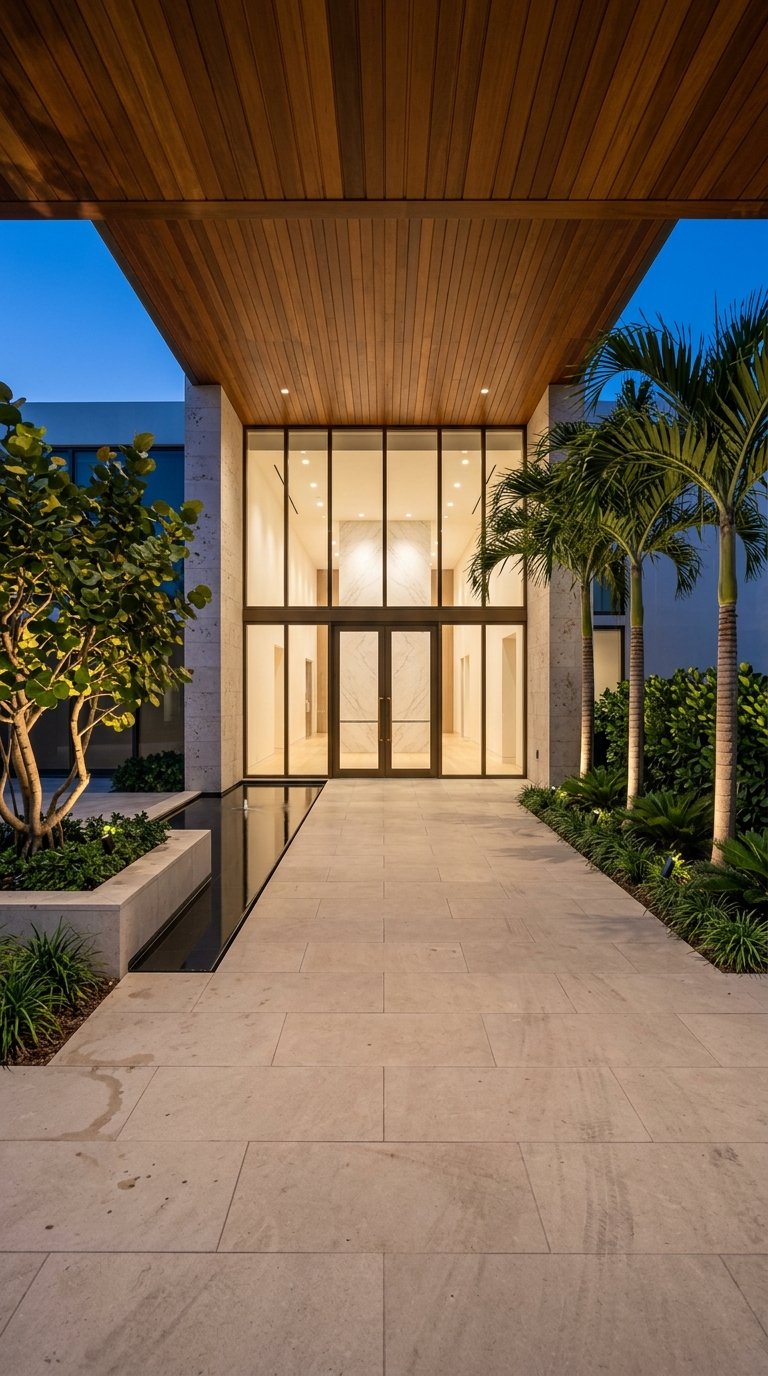
If you are drawn to Park Shore for its waterfront setting, private beach access potential, and easy access to Naples amenities, one big question usually comes next: should you buy a condo or a single-family home? It is a smart question, because the right fit often comes down to how you want to live day to day, not just what looks best on paper. In Park Shore, both options can offer a strong waterfront lifestyle, but they serve that lifestyle in different ways. Let’s break down what matters most so you can compare with confidence.
Park Shore at a Glance
Park Shore is a long-established waterfront neighborhood in the City of Naples, located west of US 41 along the Gulf of Mexico. According to the City of Naples community overview, the area was developed by the Lutgert family in the 1970s and 1980s and is known for its canals, bay frontage, beachfront high-rises, and mainland residential streets.
The neighborhood has a mixed housing layout, which is why the condo-versus-home decision is such a meaningful one here. The Park Shore Association reports more than 600 single-family homes, 25 high-rise condos, several mid-rise buildings, and commercial property across five plats. In general, mainland plats 1, 3, and 4 include most of the single-family homes and mid-rise condos, while plats 2 and 5 are home to many of the high-rise waterfront buildings along Gulf Shore Boulevard and Venetian Bay.
Condo Living in Park Shore
For many buyers, a Park Shore condo offers the easiest path to a waterfront lifestyle with less day-to-day responsibility. If you spend part of the year in Naples, travel often, or simply want a more turnkey setup, a condo may feel like the better match.
Why buyers choose condos
A condo often supports a lower-maintenance routine. Freddie Mac notes that condos can be a good fit for buyers who want an on-the-go lifestyle, often with shared amenities and less individual property upkeep than a detached home. In Park Shore, that typically lines up with the waterfront towers and bayfront mid-rises, where owners often prioritize views, convenience, and building amenities over private outdoor space.
For seasonal owners, condos can also work well as a lock-and-leave option. You may have fewer exterior maintenance responsibilities and more association-managed services than you would with a house. That can simplify ownership if your goal is to enjoy Naples without managing as many moving parts.
Condo tradeoffs to weigh
The main tradeoff is usually privacy and control. Shared-building living generally means less separation from neighbors and less freedom over exterior spaces than you would have with a single-family home. If a private yard, independent entry, or more room to spread out is a priority, that difference may matter.
You should also look closely at association costs and reserves. In Florida, residential condominium buildings that are three habitable stories or higher are subject to structural integrity reserve study requirements at least every 10 years, and state law limits the ability of some associations to waive or underfund required reserves. You can review those requirements in Florida Statute 718.112. For buyers, that means monthly and long-term carrying costs deserve careful review during due diligence.
Single-Family Living in Park Shore
If your vision of waterfront living includes more privacy, more space, and more control over the property itself, a single-family home may be the better fit. In Park Shore, this usually points you toward the mainland sections where detached homes are more common.
Why buyers choose single-family homes
Single-family homes usually offer the most privacy and the most flexibility in how you use the property. Freddie Mac notes that detached homes often provide more space and fewer shared walls, while also placing more maintenance responsibility on the owner. In Park Shore, that can appeal to buyers who want a more independent ownership experience.
A house may also be a stronger fit if outdoor living is part of your lifestyle. Whether you are thinking about a pool, more room to entertain, or simply more separation from neighbors, the single-family format tends to offer more direct control over your surroundings. That can be especially appealing if you plan to spend long stretches of time in residence instead of visiting seasonally.
Single-family tradeoffs to weigh
The biggest tradeoff is upkeep. Fannie Mae notes that homeownership comes with ongoing maintenance demands, including yard care, repair planning, and budgeting for larger projects over time. You can explore that further in Freddie Mac’s home maintenance guide.
It is also important not to assume that every single-family home includes a dock or automatic boating access. In Park Shore, boat slips are governed by specific development rules, and access is parcel-specific rather than universal. According to the Park Shore boat slip rezoning documents, residential slips are limited to Park Shore residents, capped at 219 total, and may be owned or leased under certain rules. Slips may be constructed by condominium associations or bayfront single-family homeowners, so both property types can offer boating access, but only in specific cases.
Key Lifestyle Questions to Ask
In Park Shore, this decision is usually less about which property type is better and more about which one fits your routine. A clear set of questions can help you narrow the choice quickly.
How much maintenance do you want?
If you want fewer day-to-day responsibilities, a condo may check more boxes. If you prefer independence and do not mind handling more upkeep, a single-family home may feel more natural.
How important is privacy?
A single-family home usually offers more privacy, more separation, and more direct control over the property. A condo may still deliver exceptional views and convenience, but it often comes with more shared spaces and less outdoor autonomy.
Are amenities part of the goal?
Many condo buyers value shared amenities and a more service-oriented ownership experience. Buyers focused on private outdoor living or a more customized home environment often lean toward detached homes instead.
Do you want seasonal ease?
If you plan to come and go through the year, a condo may be easier to manage. If Park Shore will be your primary home or you want a more fully private retreat, a single-family home may better support that lifestyle.
Is boating access essential?
Do not treat boating access as automatic in either category. In Park Shore, boat slip availability depends on the specific parcel, building, or ownership arrangement, so this should be verified early for any property you are considering.
Beach Park Membership Matters
One of Park Shore’s most appealing amenities is its private beach park, but you should confirm eligibility rather than assume it. The Park Shore Association beach park information states that the beach park is member-only and that owners of single-family parcels or residential condominium units within the Park Shore map are eligible to join the association.
That means both condos and single-family homes may qualify, but membership and access should still be confirmed during due diligence. If beach access is central to your buying decision, this should be one of the first items you verify on any property shortlist.
Flood and Insurance Review Should Happen Early
Because Park Shore is a coastal neighborhood, insurance and flood review are essential whether you buy a condo or a house. FEMA states that most homeowners insurance policies do not cover flood damage, which is an important reminder for waterfront and near-water properties. You can review that guidance on FEMA’s flood insurance FAQ.
This is not just a box to check at the end of the process. Insurance costs, flood exposure, and building or property-specific factors can shape your ownership costs in a real way. Reviewing them early can help you compare options more clearly and avoid surprises later.
Condo or Single-Family: A Simple Framework
If you are deciding between the two, Park Shore generally supports a straightforward comparison.
A condo may fit best if you want:
- Lower day-to-day maintenance
- A more lock-and-leave setup
- Shared amenities
- Strong water views in a managed building environment
- An easier option for seasonal use
A single-family home may fit best if you want:
- More privacy
- More interior and outdoor space
- More direct control over the property
- A more independent ownership experience
- Flexibility for full-time or extended stays
Neither path is one-size-fits-all. The right answer usually comes from how you plan to use the home, how involved you want to be in upkeep, and which waterfront features matter most to you.
If you are comparing Park Shore condos and homes, working with a local advisor can help you move beyond the broad pros and cons and focus on what is true for each address, building, and bayfront opportunity. If you want clear guidance on Park Shore lifestyle options, boating questions, and property-by-property fit, connect with Chandler Marks.
FAQs
Is Park Shore in Naples made up of both condos and single-family homes?
- Yes. According to the Park Shore Association, the neighborhood includes more than 600 single-family homes, 25 high-rise condos, several mid-rise buildings, and commercial property.
Are Park Shore condos better for seasonal living?
- Often, yes. Condos usually appeal to buyers who want lower-maintenance ownership and a more lock-and-leave lifestyle.
Do Park Shore single-family homes always include a boat dock?
- No. Boat access in Park Shore is parcel-specific, and not every home automatically includes a dock or slip rights.
Can Park Shore condo owners use the private beach park?
- Property owners of residential condominium units within the Park Shore map are eligible to join the Park Shore Association, which owns and maintains the member-only beach park.
Should Park Shore buyers review flood insurance early?
- Yes. FEMA states that most homeowners insurance does not cover flooding, so flood and insurance review should happen early in the buying process for coastal properties.